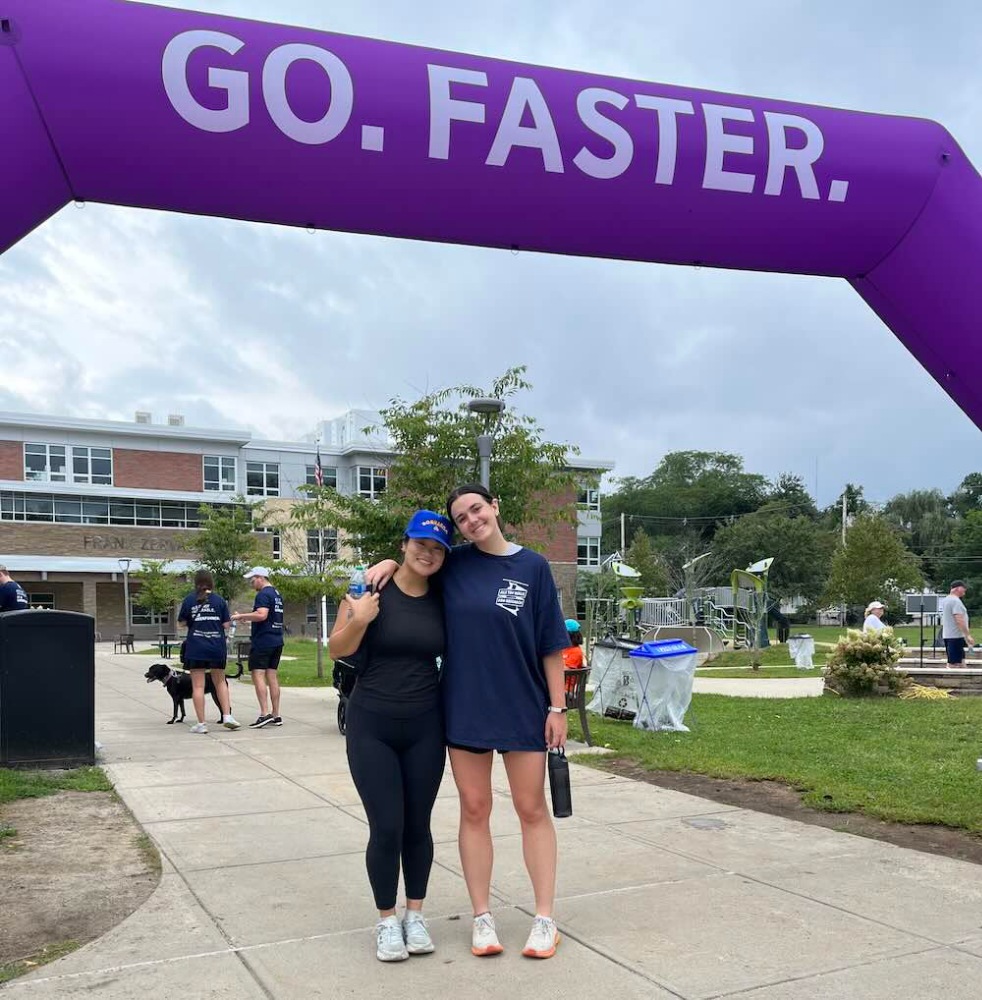
On Sunday, August 30th, at Zervas Elementary School in Newton, MA, the ALS community will gather to participate in the 2026 ALS Walk for Research. A scenic three-mile walk, roll, or stroll, the Walk benefits an incredible cause — the critical research to discover effective treatments for ALS at the ALS Therapy Development Institute (ALS TDI).
Ellie Gondran, who lost her mother to the disease, has participated in the Walk since 2022. She joins us to discuss what makes the event special and why she’s coming back for her fifth Walk this year.
First off, can you introduce yourself and explain how ALS has impacted you?
Ellie Gondran: My name is Ellie — legal name, Gabriella. I live in Somerville, MA now, but I’m originally from Austin, Texas. I moved here for graduate school and stayed after I got my first job as a genetic counselor. My mom was diagnosed with ALS when I was 11, and she was 48. She ended up passing when I was 14.
I was young when that happened, so I didn't really know too much about what was going on. But later, I became interested in genetics, and I learned about the role they play in neurological diseases. At the same time, I was getting involved with ALS groups like ALS TDI. My mom knew about ALS TDI while we were living in Texas, so I’ve been aware of the organization for a long time
When I went to college, I discovered genetic counseling. So, I’ve gotten the chance to work with the ALS community a bit through my actual job. I’ve also made a lot of connections through the organizations my mom was involved in, and I’ve built community through that too.
How did you first hear about the ALS Walk for Research?
I found out about the ALS Walk for Research when I moved to Massachusetts for graduate school. I went to Brandeis University in Waltham, but I ended up finding a house in Newton. At the time I didn't know that ALS TDI is so close to Newton, in Watertown, or that the ALS Walk for Research is held in Newton.
I signed up for the Walk as a way to connect with my mom, who also happened to have been born in Newton. I was going through a stressful part of my life in grad school, and I was hoping to find community. I'm also a huge walker. I walk at least five to eight miles a day. It felt like something easy that I could do, and that I’d be able to get my friends to do with me. I also did it alone one year. It felt serendipitous to find something so local where I could connect with my mom and help a cause that I know is so important.
What are your favorite parts of the event?
One of my favorite parts is when you get there, because there’s a circle pavilion where people have shared stories of their loved ones who have been through ALS. I love to see how it’s impacted everyone else, and how they’ve overcome it.
I’ve also loved getting to introduce a lot of my friends to the Walk. I’ve always been with a smaller group. It’s been great finding out so many of my friends are interested in coming and are willing to support the cause. One year, I had eight of my friends come and walk together. I love the community building — it's a beautiful walk, and the opportunity to learn everybody’s stories is really empowering.
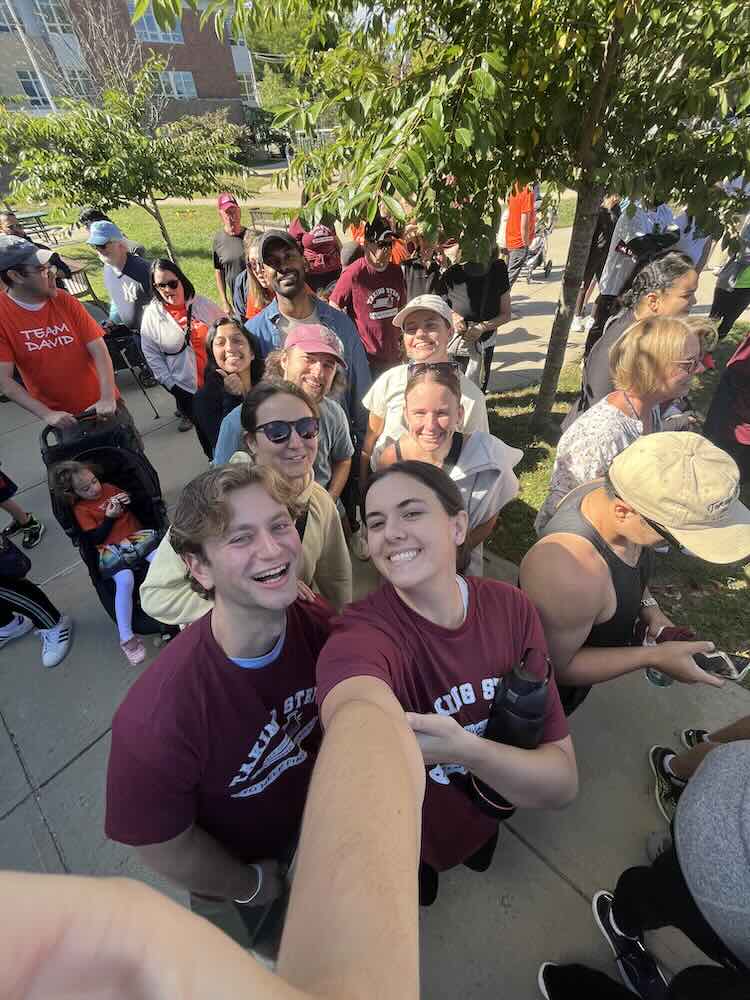
There are a lot of big teams who participate in the ALS Walk for Research. As someone who has come by yourself or with a small group, have you found it to be a welcoming event?
Oh, definitely. When you get there, there are people welcoming you with food and snacks and everything. And even though some people are on teams and are wearing matching shirts, everybody's there for the same cause. Everyone's really welcoming and talkative. So, the years that I went either by myself or with one other person, we always felt welcome. It always felt like we were all coming together for the cause.
Why do you think it’s important to support ALS research at ALS TDI?
I think of the term that I saw on the t-shirts my first year at the Walk, “ALS is not incurable, it’s underfunded.” I loved that so much because, in my career, I see so many of what we call “orphan diseases” — very serious diseases that affect a relatively small number of people. But, if we can find treatments for these diseases, it’s so impactful for the people affected. It’s the same for ALS — it’s considered a rare disease, but I feel like everybody knows someone who’s had ALS.
What would you say to someone who is thinking about signing up for the ALS Walk for Research?
The way that I’ve pitched it to my friends is that it’s just a really nice walk through Newton. Newton is a beautiful neighborhood, and you get to do it for a great cause. So why not?
ALS can seem like this really big, deep, sad thing to think about, but when you get to go and meet up with people who have had similar experiences, it feels empowering. It just reminds you that there are people who have been through similar things.
To learn more and sign up for the 2026 Walk for Research on Sunday, August 30, 2026, at 10:00 am at Zervas Elementary School in Newton, MA, click here.
WHAT TO DO NEXT: